Fiat to Crypto Guide

Where fiat turns into crypto, and back

Understand the rails behind every buy, sell and cash-out, from payment methods and KYC checks to card spending and tax reporting.

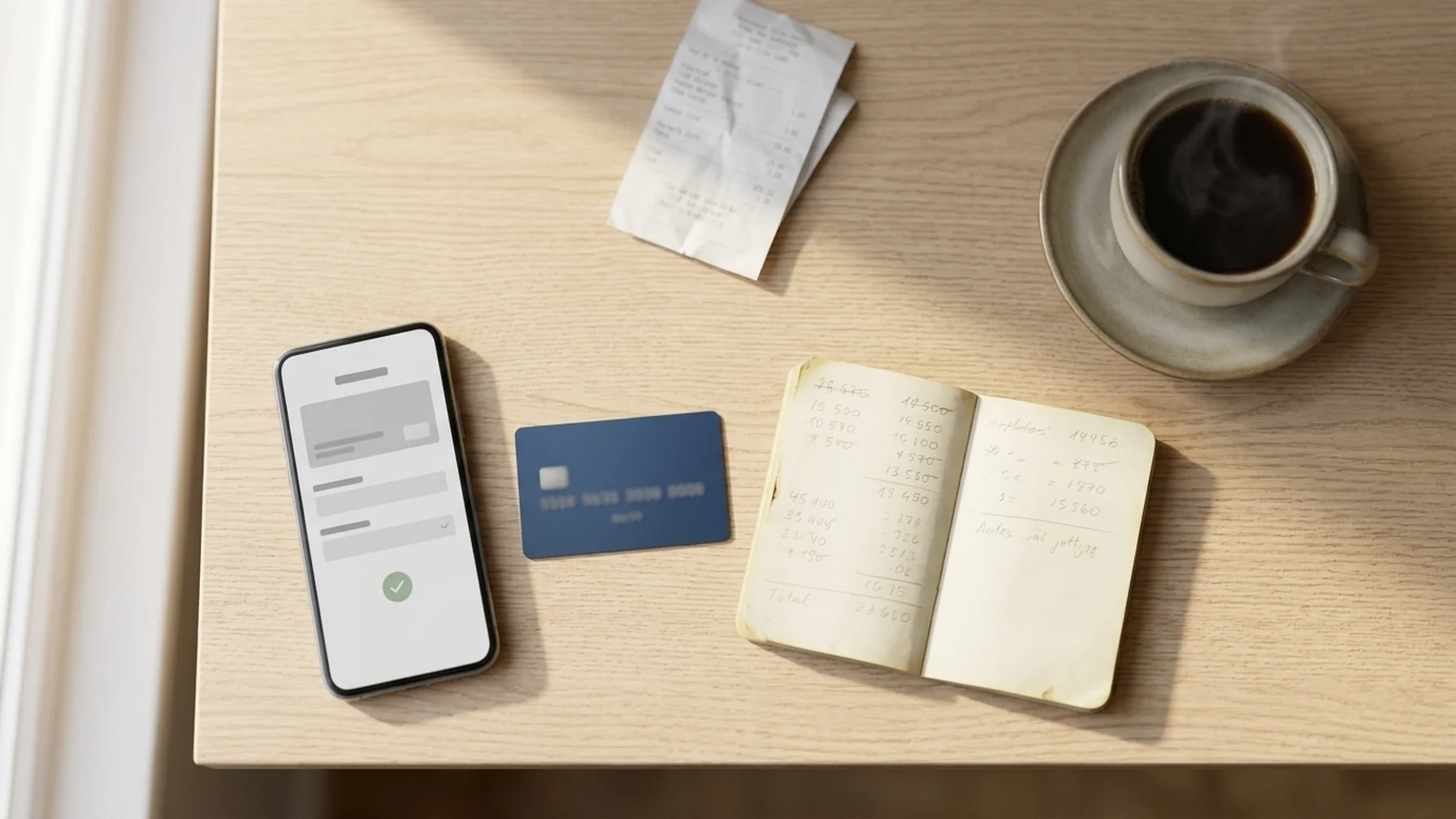
A desk with a phone showing a payment confirmation, a bank card, a paper receipt and a notebook with handwritten notes, lit by soft window light

What You Get Before You Trade

Three parts of the fiat-to-crypto path worth understanding before you move money: how on-ramps work, what off-ramps actually cost, and where cards and cash-outs differ.

01

On-ramps, step by step

Follow how a fiat purchase moves from bank transfer or card payment through identity checks to settled crypto in your account. The guide covers which payment methods clear fastest, why first-time KYC checks add delay, and how regional payment rails change the route your money takes.

Read on-ramp guides
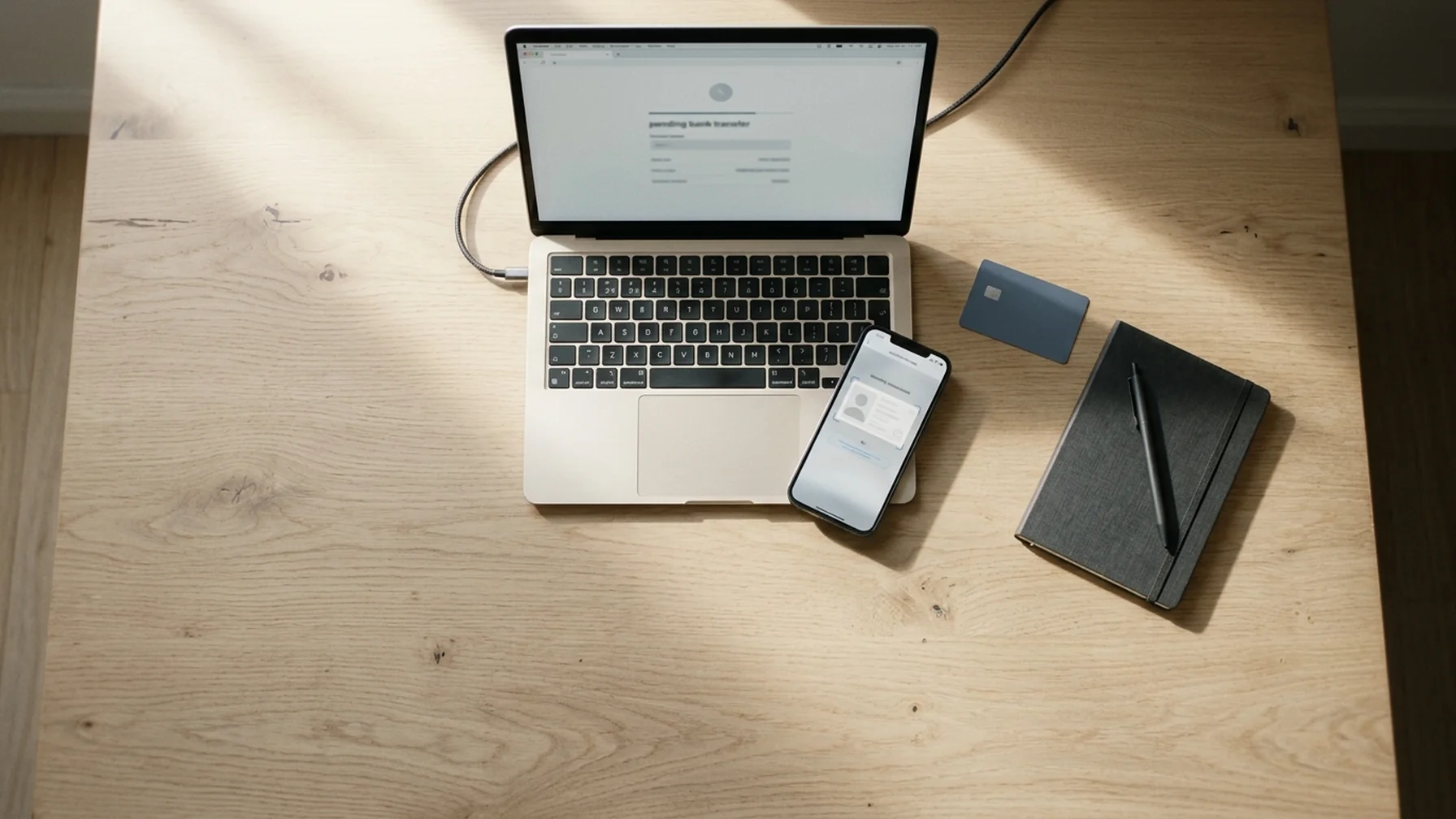

A laptop on a wooden desk showing a pending bank transfer beside a phone with an identity verification screen, morning light from a side window

02

Off-ramps and real costs

Selling back to fiat involves more than the quoted rate. Learn how withdrawal fees, network fees and spread stack up, what tax reporting records you should keep, and why the cheapest-looking exit is not always the fastest one.

Selling and cashing out
A calculator, a printed fee statement and a phone showing a withdrawal confirmation on a kitchen table in daylight

03

Cards versus cash-outs

Spending through a crypto card and withdrawing to a bank account solve different problems. Compare settlement timing, spending limits and record-keeping so you can pick the exit that fits how you actually use the money.

Cards and everyday spending
A crypto card resting on a café receipt next to a phone, with a bank branch visible through the window
A phone on a wooden desk showing a payment confirmation, beside a bank card and a small notebook with handwritten figures, morning light from a window

On-ramps and off-ramps

Where Fiat Actually Enters and Exits Crypto

The route your dollars take in and out of crypto decides the fee, the speed, and how much identity checking you go through.

  • Card purchases settle fast but usually cost more in spread and fees than a bank transfer.
  • Bank transfers take longer and can stall on weekends or holidays.
  • Every regulated on-ramp and off-ramp runs identity checks before the first transaction.
  • The off-ramp matters more than the on-ramp: that is where withdrawal limits and tax records appear.
Read the on-ramp and off-ramp articles

How Money Moves In and Out of Crypto

Each path between a bank account and a crypto balance has its own fees, limits and identity checks, so the choice matters more than the timing.

Close-up of a phone held over a kitchen table showing a payment confirmation screen, a debit card beside a coffee cup, morning window light

Buying with fiat

On-ramps turn dollars into crypto through a card, a bank transfer or a payment app. Card purchases settle fast but usually cost more; bank transfers are slower and cheaper, and the quoted rate can move before the order fills. Check the fee line and the minimum before you confirm.

On-ramps: buying with fiat
Laptop on a desk showing a chart beside a paper notebook with handwritten figures and a pen, afternoon light across the surface

Selling back to fiat

Off-ramps convert crypto into spendable dollars, and the spread between the quoted price and the price you actually receive is where costs hide. Withdrawals to a bank can take a business day or more, and some venues hold funds on a first sale. Compare the total received, not just the headline fee.

Off-ramps: selling for fiat
Payment terminal on a cafe counter with a card being tapped, blurred customers in the background, daylight from a storefront window

Spending without cashing out

Crypto cards let you pay merchants directly from a balance, which skips the bank withdrawal step but adds its own conversion cost at the moment of purchase. Rewards can offset part of that cost, and holding the asset instead of selling can create a taxable event in some jurisdictions. Read the conversion terms before relying on a card for routine spending.

Crypto cards and spending

On-ramps and off-ramps

The fee is rarely the whole cost

Compare what a quote actually includes: network fees, spread, and the rate your bank applies to a foreign card charge can all sit outside the headline percentage.

Read how on-ramps and off-ramps differ

Off-ramp checklist

Get the cash-out checklist before you sell

A short email series on withdrawal limits, fee stacking and the records you need when crypto becomes dollars in your bank account.

One or two emails a month about off-ramps, card spending and tax records. Unsubscribe from any email. We do not sell addresses, and nothing here is financial or tax advice.